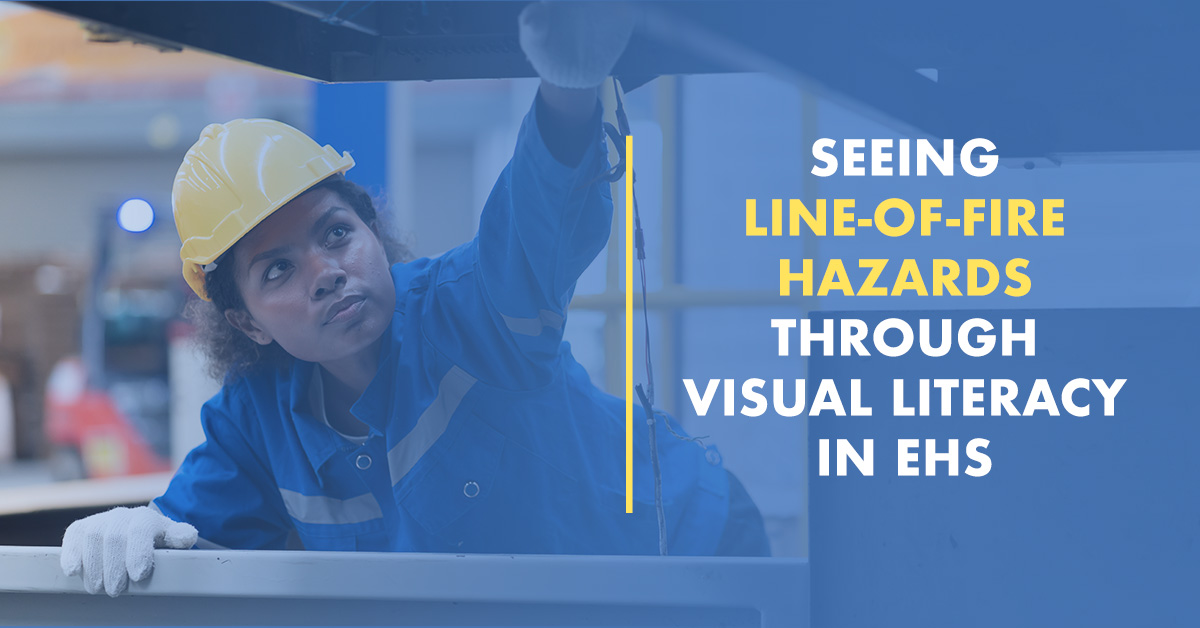

In almost every industry, line-of-fire hazards—situations where a person could be struck, caught, or impacted by moving equipment, stored energy, or shifting materials—remain a persistent source of serious injuries. What makes these hazards especially challenging is that they are often in plain sight. Workers walk past them daily. They become familiar, expected, and ultimately… overlooked.
This is where Visual Literacy in EHS becomes a powerful advantage.
Why We Miss Line-of-Fire Hazards
Most line-of-fire exposures don’t appear suddenly or dramatically. Instead, they blend into the surroundings:
- A hand placed too close to a moving belt
- A worker kneeling in the path of equipment movement
- A body positioned between two moving parts
- A foot placed near a pinch point or drop zone
- A worker standing under a suspended load
The hazard is visible—but our brains don’t always interpret it as risk. Familiarity, speed, and visual bias make it easy to assume the area is safe simply because we’ve seen it so many times before.
Visual Literacy in EHS training breaks that cycle.
How Visual Literacy in EHS Improves Line-of-Fire Awareness
Visual Literacy teaches workers to slow down, see more intentionally, and use structured tools to interpret what they see. These tools—rooted in the Elements of Art and Principles of Design—help workers detect subtle visual cues they would normally miss.
Some of the techniques that support line-of-fire recognition include:
1
Seeing Direction and Movement — Workers are trained to look for lines, paths, and motion, helping them understand where energy could travel and where their body may be exposed.
2
Recognizing Contrast — Differences in color, texture, or movement help highlight dangerous transitions—such as where a stationary surface meets a moving one.
3
Noticing Space and Proximity — Visual Literacy exercises sharpen awareness of distance, depth, and relative position—critical for identifying when body parts are too close to hazardous energy.
4
Challenging Visual Assumptions — By learning how the brain fills in gaps or filters out familiar information, workers become better at questioning what they think they see versus what is actually there.
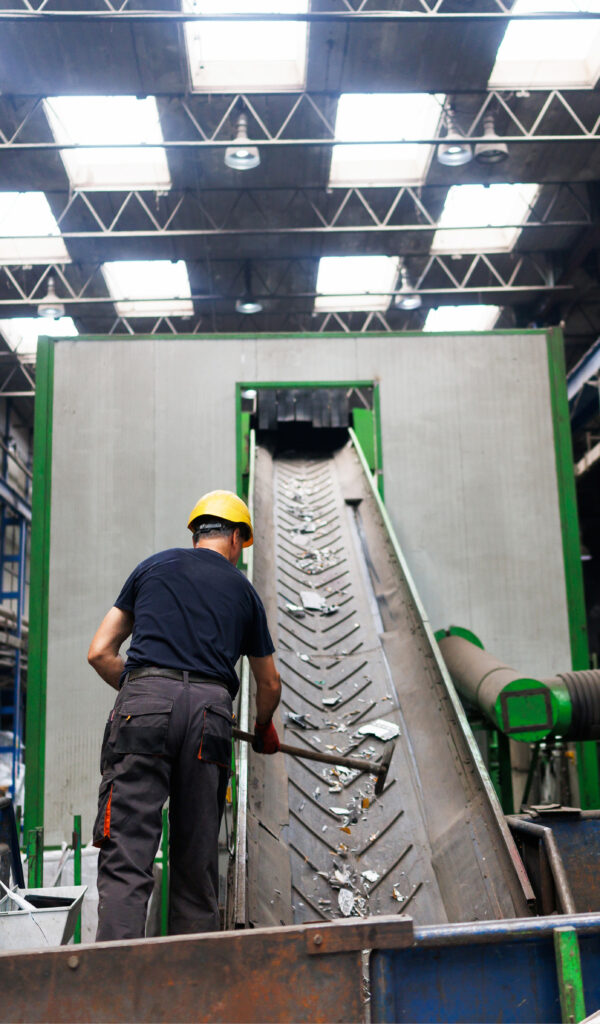
A Simple Example
- Lines showing the conveyor’s direction of movement
- Contrast between moving and non-moving components
- Space between the conveyor and their forearm
- Potential energy if the system restarts
Suddenly, a clear line-of-fire hazard becomes obvious: If the conveyor cycles, their arm is directly in harm’s way. This moment of recognition—seeing what was always there—allows the worker to reposition safely before taking action.
Why This Matters
Line-of-fire hazards are often the root of struck-by, caught-between, and high-energy incidents. Improving how teams see these hazards has a direct and measurable impact on safety outcomes.
Visual Literacy provides a practical, repeatable method that helps workers:
- Identify exposures
- Make better decisions about body placement
- Communicate hazards more clearly
- Support safer task planning and inspections

Ready to Strengthen Line-of-Fire Recognition?
COVE’s Foundations of Hazard Identification workshop gives teams the full suite of Visual Literacy in EHS tools needed to identify line-of-fire risks more accurately and consistently.
If you want to help your workforce see hazards that have become “part of the background,” this is the place to start.